







When it comes to enhancing the ambiance and functionality of your home in Greer, SC, choosing the right recessed lighting layouts is key. This type of lighting not only adds depth to a room but also ensures that every corner is well-lit, creating a welcoming atmosphere. Whether you’re considering canless or can fixtures, understanding their distinct advantages can help you make an informed decision. Each option offers unique benefits, from ease of installation to compatibility with dimmers, impacting the overall look and feel of your space.
Beam spreads and spacing formulas play a crucial role in achieving balanced room illumination. It’s not just about the number of lights but where they are placed that determines how light is distributed throughout a room. A well-planned layout ensures that light reaches every nook and cranny, eliminating shadows and creating an even, cozy glow. This is especially important in living areas and kitchens in Greer, SC, where functionality and ambiance go hand in hand.
Moreover, considering dimmer compatibility is essential for creating versatile lighting schemes that can adapt to different moods and occasions. Dimmers allow you to adjust the brightness of your lights, giving you control over the room’s atmosphere at any time of day. Whether hosting a dinner party or enjoying a quiet evening at home in Simpsonville, SC, having the ability to fine-tune your lighting can significantly enhance your living experience.
In summary, planning your recessed lighting layouts with these factors in mind is crucial for achieving a harmonious balance between aesthetics and functionality. By carefully selecting your fixtures, considering their placement, and integrating dimmer compatibility, you can transform any room in your Greer or Simpsonville, SC home into a beautifully lit space. Remember, a well-thought-out lighting plan is the key to creating inviting and comfortable environments that cater to your lifestyle.
Understanding Recessed Lighting Layouts in Greer SC
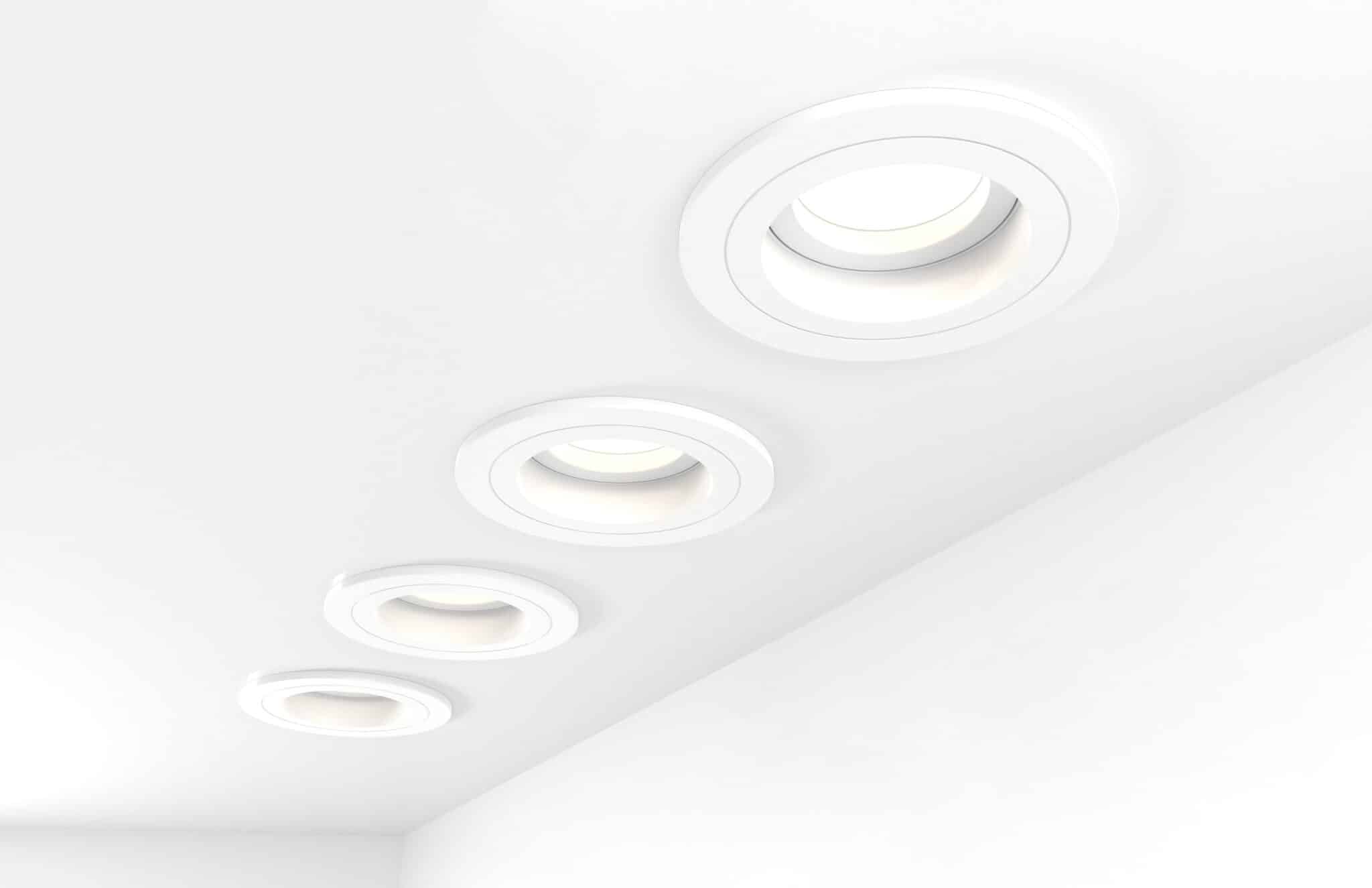
Understanding recessed lighting layouts is essential when aiming for balanced room illumination in your Greer, SC home. Different spaces require unique approaches to ensure that light is evenly distributed, avoiding harsh shadows while enhancing the room’s features. By carefully considering the type of fixtures, such as canless or can options, you can achieve the desired ambiance. Each choice impacts the installation process and the overall lighting effect, making it vital to weigh the pros and cons.
In Simpsonville, SC, homeowners often face the challenge of selecting the right beam spreads for their recessed lighting. Beam spread refers to the width of light emitted from a fixture, affecting how broadly or narrowly the light covers an area. A wider beam spread can illuminate a larger space with fewer fixtures, while a narrower beam is perfect for highlighting specific room features. This choice plays a significant role in creating a balanced and inviting atmosphere in any room.
Spacing formulas are another critical aspect to consider for effective recessed lighting layouts. These formulas help determine the optimal distance between each light fixture, ensuring that light is evenly spread throughout the room without creating overly bright or dark spots. By adhering to these guidelines, homeowners in Greer, SC, can avoid common lighting mistakes, such as placing fixtures too close together or too far apart, which can disrupt the room’s harmony.
Lastly, dimmer compatibility adds a layer of versatility to your recessed lighting, allowing you to adjust the brightness according to the time of day or the desired mood. Whether you’re hosting a lively gathering or seeking a tranquil ambiance for relaxation, dimmers provide the flexibility to customize your lighting. This feature, combined with a well-planned recessed lighting layout, can transform any space in your Greer or Simpsonville, SC home into a beautifully illuminated haven.
Choosing Between Canless vs Can Recessed Fixtures
When deciding on recessed lighting layouts for your home in Greer, SC, choosing between canless and can fixtures is a pivotal step. Can fixtures, known for their traditional design, require a housing can for installation, making them a bit more labor-intensive to set up. On the other hand, canless lights offer a sleeker look and easier installation, as they don’t need a separate housing. This choice significantly influences the ease of integrating lighting into your space and the overall aesthetic.
Canless fixtures are becoming a popular choice for modern homes in Simpsonville, SC, due to their minimalistic appearance. They sit flush against the ceiling, offering a clean and unobtrusive look that enhances contemporary decor. Moreover, their design allows for a more flexible installation process, especially in spaces where ceiling access is limited. This makes them an excellent option for homeowners looking for a straightforward and stylish lighting solution.
However, can fixtures have their own set of advantages, particularly in terms of versatility and compatibility with different types of bulbs. They can accommodate a wider range of lighting options, from standard incandescent bulbs to energy-efficient LEDs. This flexibility means that homeowners can easily update their lighting technology without needing to replace the entire fixture. It’s a cost-effective choice for those who prioritize adaptability in their recessed lighting layouts.
Ultimately, the decision between canless and can recessed fixtures depends on your specific needs and preferences. Consider the installation process, the desired look for your room, and the flexibility you want in terms of lighting technology. By carefully weighing these factors, you can achieve a balanced and inviting illumination in your Greer or Simpsonville, SC home, enhancing both its functionality and ambiance.
Calculating Optimal Spacing for Recessed Lighting
Calculating the optimal spacing for recessed lighting is essential to achieving a well-lit room in your Greer, SC home. The general rule is to divide the height of the ceiling by two to determine how far apart to place each light. This formula ensures that light spreads evenly across the room, preventing dark spots and glare. Adhering to this guideline will create a harmonious balance of light throughout your space.
For rooms with higher ceilings in Simpsonville, SC, adjusting the spacing slightly might be necessary. In such cases, lights can be placed closer together to compensate for the increased distance from the ceiling to the surfaces below. This adjustment ensures that every area of the room receives adequate illumination. It’s a simple tweak that makes a significant difference in maintaining the desired ambiance.
Incorporating dimmers with your recessed lighting layouts adds another layer of control over the room’s atmosphere. Dimmers allow you to adjust the brightness based on the time of day or the activity taking place. This flexibility is perfect for creating a cozy setting for movie nights or a bright, energizing environment for morning routines. It’s an essential consideration for versatile living spaces.
Finally, remember that the quality of light is just as important as the quantity. Choosing the right type of bulb and fixture for your recessed lighting can enhance the overall effect. LED bulbs, for example, offer a wide range of color temperatures and are energy-efficient, making them an excellent choice for any room. By focusing on these details, you can achieve a beautifully illuminated home that meets all your lighting needs.
The Importance of Beam Spread in Room Illumination
Understanding the importance of beam spread in room illumination is crucial when planning recessed lighting layouts in Greer, SC. Beam spread refers to the angle at which light is dispersed from a fixture, impacting how well a space is lit. A wider beam spread can bathe a room in light, making it feel more open and welcoming. Conversely, a narrower beam spread focuses light on specific areas, adding depth and contrast to the overall lighting scheme.
Choosing the right beam spread for your recessed lighting layouts ensures that each area of your home is illuminated effectively. In a kitchen, for example, a broader beam spread might be used to ensure countertops and workspaces are well-lit. Meanwhile, in a living room, narrower beams can highlight artwork or architectural features, creating a dynamic and inviting space. This tailored approach allows homeowners to maximize both the functionality and aesthetic appeal of their lighting.
In Simpsonville, SC, the success of a lighting plan often hinges on this attention to detail. By carefully selecting fixtures with the appropriate beam spread for each room, you can avoid common pitfalls such as uneven lighting or harsh shadows. This thoughtful consideration ensures that your recessed lighting layouts provide both the illumination and ambiance needed to enhance your home’s beauty and usability.
Ultimately, integrating dimmers with these carefully chosen beam spreads offers the ultimate control over your home’s lighting atmosphere. Dimmers allow you to adjust the intensity of light to suit different times of day or activities, from bright illumination for tasks to soft lighting for relaxation. This combination of strategic beam spread selection and dimmer compatibility elevates the functionality and versatility of recessed lighting layouts, transforming your Greer or Simpsonville, SC home into a perfectly lit haven.
Integrating Dimmers with Your Recessed Lighting Setup
Integrating dimmers into your recessed lighting layouts brings unparalleled flexibility to your home’s atmosphere. With the ability to adjust brightness, you can create the perfect ambiance for any occasion, from a lively family gathering in Greer, SC, to a quiet evening of relaxation. This versatility enhances the functionality of each room, allowing for a seamless transition between activities. It’s a smart addition that elevates the comfort and adaptability of your living spaces.
In Simpsonville, SC, the integration of dimmers with recessed lighting also contributes to energy efficiency. By adjusting the light intensity to only what is needed, you can significantly reduce energy consumption. This not only lowers your utility bills but also extends the lifespan of your bulbs. It’s an eco-friendly solution that benefits both your wallet and the environment.
Moreover, the choice of dimmer is crucial for ensuring compatibility with your recessed lighting fixtures. Some dimmers work better with LED bulbs, while others are suited for incandescent or halogen lights. Selecting the right dimmer ensures your lighting system operates smoothly, without flickering or buzzing. It’s important to match the dimmer with your fixture type to ensure optimal performance.
Finally, incorporating dimmers into your recessed lighting layouts in Greer and Simpsonville, SC homes adds a layer of sophistication to your décor. The ability to control lighting intensity not only impacts the functionality of your space but also its aesthetic appeal. A well-lit room can highlight architectural features and decor, making your home more inviting and visually appealing. This thoughtful integration of technology and design enhances your living environment in every aspect.
Recessed Lighting Layouts for Different Room Sizes
When planning recessed lighting layouts for different room sizes, it’s crucial to tailor your approach to each space’s unique dimensions. In larger living areas in Greer, SC, a strategic placement of lights ensures even illumination without overwhelming the space. This might mean spacing fixtures further apart but choosing ones with a broader beam spread. It’s about finding that perfect balance to enhance the room’s features while maintaining a cozy atmosphere.
In contrast, smaller rooms, such as bathrooms or hallways in Simpsonville, SC, require a different tactic. Here, opting for fixtures with a narrower beam spread can prevent the light from feeling too intense in confined spaces. It’s also wise to place lights closer together to avoid shadows that can make a small room feel cramped. This careful consideration ensures that every inch of your space is properly lit, regardless of its size.
Adapting your recessed lighting layouts to accommodate different room sizes also involves considering the room’s function. For instance, a kitchen or home office may benefit from brighter, more focused lighting to support tasks like cooking or reading. This means adjusting both the number and type of fixtures to provide sufficient light where it’s most needed, ensuring functionality is at the forefront of your lighting design.
Finally, regardless of room size, incorporating dimmers remains a universally beneficial feature. They allow you to adjust lighting to suit any activity or mood, from a bright, energizing morning in Greer, SC, to a soft, relaxing evening in Simpsonville, SC. This adaptability is key in creating a home that feels both inviting and versatile, perfectly illuminated for every occasion.
Energy Efficiency and Recessed Lighting Options
Choosing energy-efficient options in recessed lighting layouts not only enhances the ambiance of a home in Greer, SC but also contributes to significant savings on energy bills. LED bulbs, known for their long lifespan and low energy consumption, are ideal for recessed lighting. They emit less heat and use a fraction of the energy compared to traditional incandescent bulbs. This makes them a smart choice for homeowners looking to reduce their environmental footprint while maintaining beautiful lighting.
In Simpsonville, SC, integrating smart lighting controls with recessed lighting layouts offers an additional layer of energy efficiency. These systems allow homeowners to automate their lighting, ensuring lights are only on when needed. By setting schedules or using motion sensors, unnecessary energy use can be minimized. This technology not only saves energy but also adds convenience and modernity to any home.
The design of canless recessed lighting further contributes to energy efficiency. Without the need for a bulky housing, canless LED fixtures reduce air flow and minimize heat loss. This design feature helps maintain the insulation integrity of a home, keeping heating and cooling costs down. It’s a sleek and efficient solution that complements any room’s aesthetic while being mindful of energy use.
Lastly, selecting dimmable LED bulbs for recessed lighting layouts allows for precise control over light levels, further enhancing energy savings. Dimming lights can significantly reduce power consumption and extend bulb life. It offers homeowners in Greer and Simpsonville, SC, the flexibility to adjust lighting for any occasion while conserving energy. This approach to lighting design not only creates a warm and inviting atmosphere but also promotes a sustainable lifestyle.
Professional Installation vs DIY for Recessed Lighting
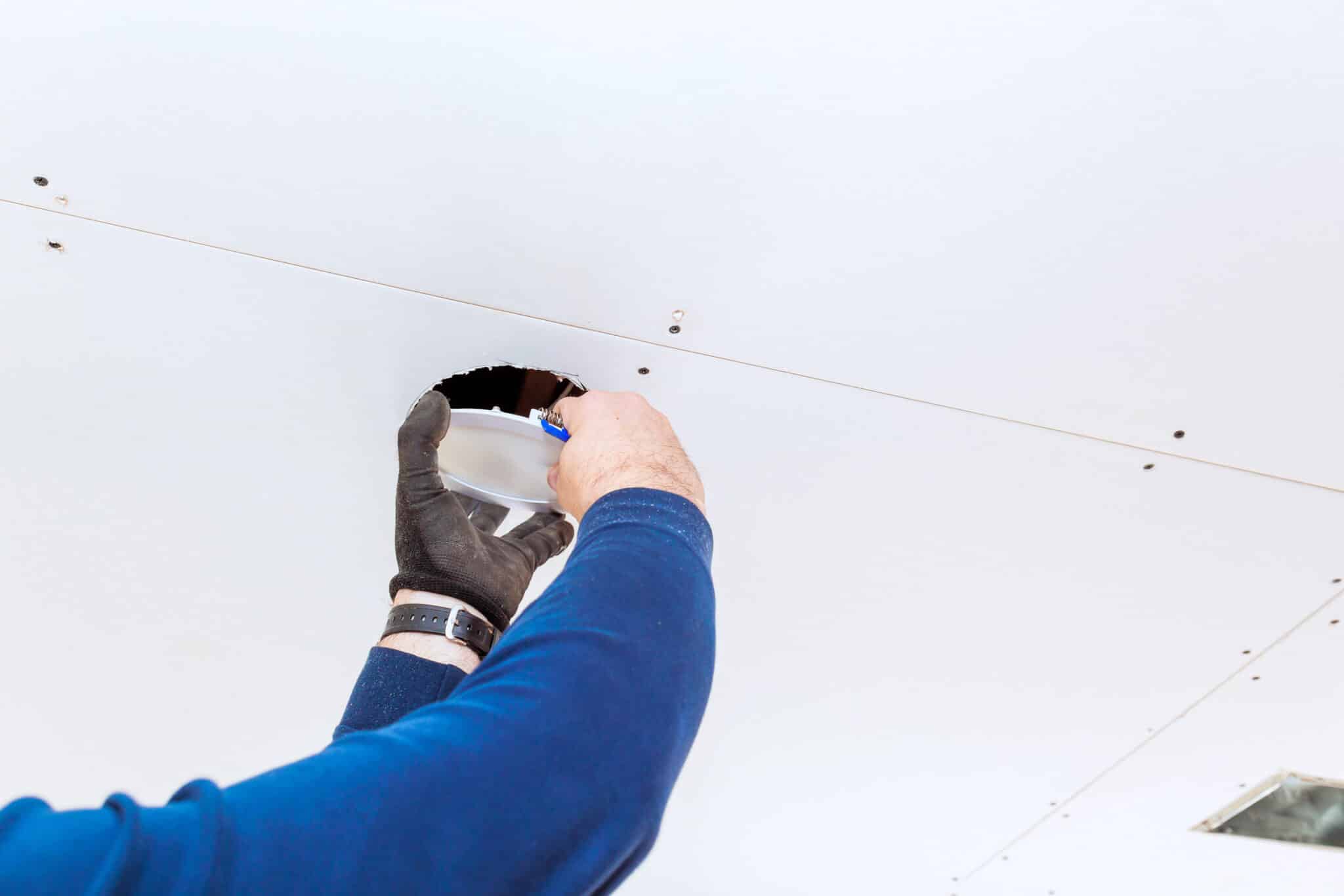
Deciding between professional installation and tackling the project yourself is a pivotal moment in planning recessed lighting layouts for your home in Greer, SC. Professional installers bring expertise and precision, ensuring that each fixture is correctly positioned for optimal illumination. They can navigate complex wiring and structural challenges, providing peace of mind. This route guarantees that your lighting vision becomes a reality without the stress of potential mistakes.
On the other hand, DIY installation offers a sense of accomplishment and can be cost-effective for those familiar with electrical systems. It allows homeowners in Simpsonville, SC, to work at their own pace and make adjustments as needed. However, it’s crucial to have a thorough understanding of electrical safety and local building codes. Without this knowledge, you risk inefficient lighting and potential hazards.
Regardless of the chosen path, understanding the basics of recessed lighting layouts is beneficial. It equips you with the knowledge to make informed decisions about fixture placement, beam spreads, and dimmer compatibility. Whether you’re discussing plans with a professional or plotting your DIY project, a solid grasp on these concepts ensures a smoother process.
Ultimately, the choice between professional installation and DIY depends on your confidence, budget, and the complexity of your recessed lighting project. Both options have their merits, but ensuring the job is done safely and effectively should always be the priority. By weighing these factors carefully, residents of Greer and Simpsonville, SC, can achieve beautifully balanced room illumination that enhances their home’s ambiance and functionality.
Frequently Asked Questions
What are recessed lighting layouts?
Recessed lighting layouts are plans that guide the installation of lights in a ceiling for balanced room illumination. They help determine the best positions for canless or can fixtures, ensuring even light distribution. These layouts also factor in beam spreads and spacing formulas to optimize light coverage. Additionally, they consider dimmer compatibility to enhance lighting flexibility and mood.
How to choose lights for balanced illumination?
Choosing lights for balanced illumination starts with selecting the right type of fixtures. Consider canless options for a sleek look or can fixtures for traditional spaces. Next, factor in the beam spread to ensure wide, even coverage across the room. Finally, check dimmer compatibility to adjust lighting for any activity or mood, enhancing the versatility of your recessed lighting layouts.
Best practices for installing recessed lighting?
For a successful recessed lighting installation, start by planning your layout carefully to ensure even illumination throughout the room. Measure the space to determine the optimal number and spacing of fixtures, considering both the size of the room and ceiling height. Use a mix of canless and can fixtures to suit the room’s aesthetics and lighting needs. Lastly, ensure all chosen fixtures are compatible with dimmers to allow for adjustable lighting levels, creating the perfect ambiance for any occasion.
Can recessed lighting layouts save energy?
Absolutely, recessed lighting layouts can lead to energy savings. By strategically placing lights, you use fewer fixtures and still achieve balanced illumination. Choosing LED options further reduces energy consumption. This approach not only saves money but also benefits the environment by using less power.
What size recessed lights for large rooms?
For large rooms, 6-inch recessed lights are often the best choice. They cast a wider beam, ensuring even coverage across spacious areas. Pairing these with a strategic recessed lighting layout maximizes illumination and ambiance. Remember, the right size enhances both function and style in your lighting plan.